
Photo from the website, www.Meherashaw.com
Print Feature | Sustainable Fashion & Ethical Business
Originally published in Southern Neighbor Magazine
This print feature examines how Mehera Shaw integrates organic materials, traditional textile methods, and fair labor practices into a modern retail brand. The piece highlights my experience writing magazine-ready profiles that combine fashion, sustainability, and small-business storytelling.
Buying beautiful clothing does not have to mean compromising environmental values. At Mehera Shaw, Indian-inspired fashion is built on artisan craftsmanship, natural fibers, and long-standing relationships with the people who make each garment.
The boutique, founded by Mark and Shari Keller, bridges Chapel Hill, North Carolina and Jaipur, India. What began as a shared love of Indian textiles evolved into a design house rooted in ethical production and small-scale manufacturing.
On the racks, the pieces feel soft and refined. Hand-spun cotton, delicate silks, block prints carved from teak wood, and garments made from recycled wedding saris create a tactile experience that immediately distinguishes the collection from mass-produced imports.
But the aesthetic is only part of the story.
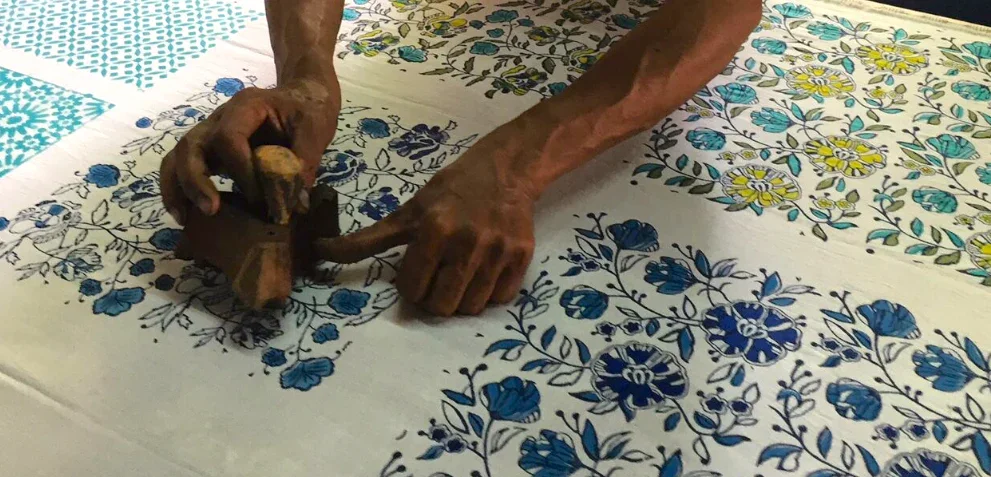
Photo from the website, www.Meherashaw.com
Craft, Not Factory
Unlike many fashion brands that outsource production to large facilities, Mehera Shaw works with village spinners, loomers, print masters, stitchers, and quilters in India. The cotton is organically grown, hand-spun, and hand-loomed. Prints are created using traditional block-print techniques and vegetable-based dyes.
The design process itself remains intentionally slow.
“Our business is not only about beautiful fashion. It is about relationships,” says Shari Keller. “Relationships to each other and to the earth.”
Because the fabrics are printed by hand and dyed using natural pigments, even the weather influences the final product. Heat, humidity, and rainfall subtly affect color saturation, adding individuality to each garment.
Sustainability Beyond the Label
Mehera Shaw incorporates green cotton grown with reduced chemical use and processed without bleach. But for Keller, sustainability extends beyond raw materials.
“It is important to use organic fibers and environmentally friendly dyes,” she explains, “but the true spirit of sustainability is how long a piece will last.”
The collections are designed to be classically inspired rather than trend-driven. Linen-like organic cotton blouses, skirts, and dresses are structured to move easily between work, casual wear, and evening events. Longevity, not novelty, defines the aesthetic.
This approach reframes sustainability as durability. Clothing that remains relevant and wearable over time reduces waste more effectively than fast-moving seasonal cycles.
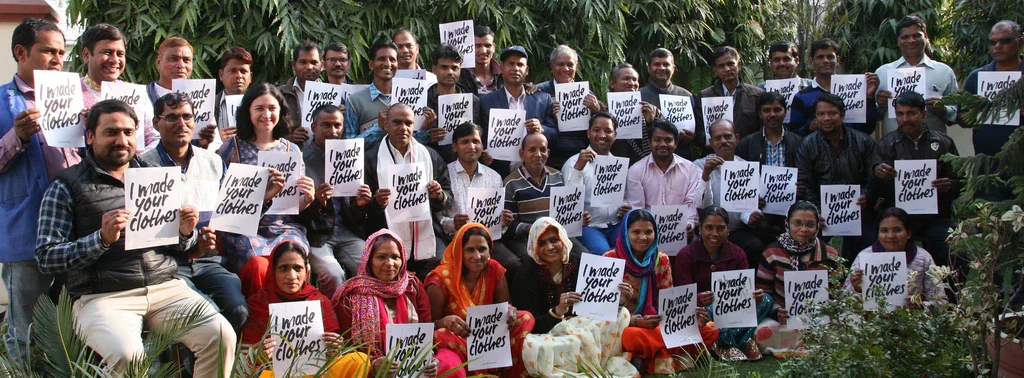
Photo from the website, www.Meherashaw.com
Ethical Production at an Accessible Price
Despite the labor-intensive process, Mehera Shaw maintains accessible pricing. Blouses range from $40 to $90, while skirts and pants typically fall between $70 and $90.
Keeping production small-scale allows for closer oversight and stronger quality control. It also allows the brand to support artisan wages while remaining reachable to consumers seeking ethical alternatives.
The company operates boutiques in Chapel Hill and Jaipur, where its workshop and studio are based. Select collections are available online, and the Kellers have expressed interest in collaborating with designers seeking small-scale, high-standard production.
A Feminine Philosophy
The tagline “Decidedly Feminine” speaks less to trend and more to intention. The garments are designed for women who value softness, confidence, and environmental awareness in equal measure.
At a time when fashion often relies on speed and scale, Mehera Shaw offers a quieter model. It prioritizes craft over volume, relationship over transaction, and longevity over trend.
In doing so, the brand demonstrates that ethical fashion does not require sacrificing beauty. It simply requires choosing it differently.
-end
Social Media Posts:
Hook:
Sustainability can feel abstract until you hold it in your hands.
Caption:
While writing about Mehera Shaw, what stayed with me was not just the beauty of the garments, but the story behind them. Organic cotton grown slowly. Block prints carved by hand. Fabrics shaped by weather, time, and human touch.
The brand works with village artisans across India, prioritizing relationships and traditional methods over speed and scale. It is a reminder that sustainability is not only about materials. It is about people, process, and care.
Sometimes ethical choices are quiet ones. They look like slowing down and choosing something made to last.
CTA:
Pause before your next purchase and ask yourself who made it, how it was made, and what story it carries. Small
questions can lead to more conscious choices.
Hook:
What does ethical fashion look like beyond the label?
Caption:
Mehera Shaw reframes sustainability as longevity. Garments designed to move through seasons, occasions, and years without losing relevance.
Organic fibers and natural dyes matter, but durability matters too. Clothing that stays in your life longer reduces waste in ways fast fashion never can.
At its heart, this story is about connection. Between maker and wearer. Craft and culture. Beauty and responsibility.
CTA:
Consider one item in your closet that has lasted for years. Reflect on why it stayed. Let that guide your future choices.
LONG FORM POST
Caption:
When I visited Mehera Shaw to write this feature, I expected to learn about sustainable fashion. What I encountered was a story about relationships.
The boutique bridges Chapel Hill, North Carolina, and Jaipur, India, connecting customers to artisans whose work spans generations. Cotton is hand-spun and hand-loomed. Block prints are carved from teak wood. Natural dyes respond to humidity and sunlight, meaning no two pieces emerge exactly alike.
There is an intentional slowness to the process. It stands in quiet contrast to an industry built on speed, replication, and trend cycles. For founders Mark and Shari Keller, sustainability is not only about organic fibers or reduced chemical use. It is about respect. Respect for craft. Respect for cultural knowledge. Respect for the people whose hands bring each garment into existence.
This philosophy also reframes how we think about consumption. Sustainability is often discussed through materials, but durability is just as important. Clothing designed to remain relevant across years and settings naturally reduces waste. It encourages care instead of replacement.
What lingered with me after writing the piece was the tactile experience of the fabrics themselves. Soft cotton shaped by human touch. Prints that carry subtle variations from weather and time. Garments that feel less like products and more like stories you step into.
Stories like this remind us that environmental responsibility rarely exists in isolation. It is tied to livelihoods, culture, and community. Sometimes sustainability looks like protecting ecosystems. Sometimes it looks like preserving craft. Often, it looks like both.
CTA:
Take a moment to learn the story behind something you wear today. Understanding origin can shift perspective and deepen appreciation in ways labels never can.
LONG FORM POST
Caption:
Fashion rarely tells the full story of how something is made. Writing about Mehera Shaw offered a chance to slow down and follow that story from field to fabric to finished garment.
The brand works with village spinners, printers, and stitchers across India, relying on small scale production rather than large manufacturing facilities. Cotton is organically grown with reduced chemical use. Vegetable based dyes replace synthetic processes. Block printing remains rooted in traditional methods passed through generations.
But the most meaningful thread running through the story was human connection. The founders spoke less about production and more about partnership. The artisans are not anonymous laborers. They are collaborators whose skill, environment, and lived experience shape the final piece.
Even nature plays a role. Weather conditions subtly affect color saturation, meaning each garment carries its own variation. Imperfection becomes individuality. Process becomes presence.
In a market often driven by novelty, the collections lean toward timelessness. Designs meant to move easily between daily life and special moments. Clothing created with the assumption that it will stay with the wearer for years.
This approach offers a different perspective on sustainability. It suggests that environmental impact is not only reduced through materials, but through mindset. Buying less. Choosing thoughtfully. Valuing longevity over trend.
Stories like this highlight how environmental responsibility intersects with culture, community, and craftsmanship. They remind us that sustainability is not only a technical challenge. It is a relational one. It lives in how we produce, how we consume, and how we honor the people and places behind what we wear.
CTA:
Reflect on how your choices connect you to communities and environments beyond your immediate view. Awareness is often the first step toward more intentional living.
