New Life Journal, ©2005
Where: 6 miles south of Black Mountain
Designer/Builder: Bobby Mchugh, Mchugh Designs
Price Tag: N/A
Square Footage: 1350 sq. ft. interior/1500+ sq. ft. exterior
Construction Type: Straw bale mixed with conventional stick frame
On Valentine’s Day in 1998, Bobby and Lisa sat around a moonlit bonfire in Mt. Airy, North Carolina, talking about their dreams. Among the usual hopes for travel and work was a more unusual shared passion.
“Straw bale houses,” Lisa recalls. “That was a connection we had from the very first night.”
Years later, the two still sit by a bonfire. This time it is outside their own straw bale home on a wooded slope six miles south of Black Mountain.
What began as conversation became a four-year design process and a hands-on community build that reflects both environmental commitment and personal vision.
Designing for Efficiency and Character
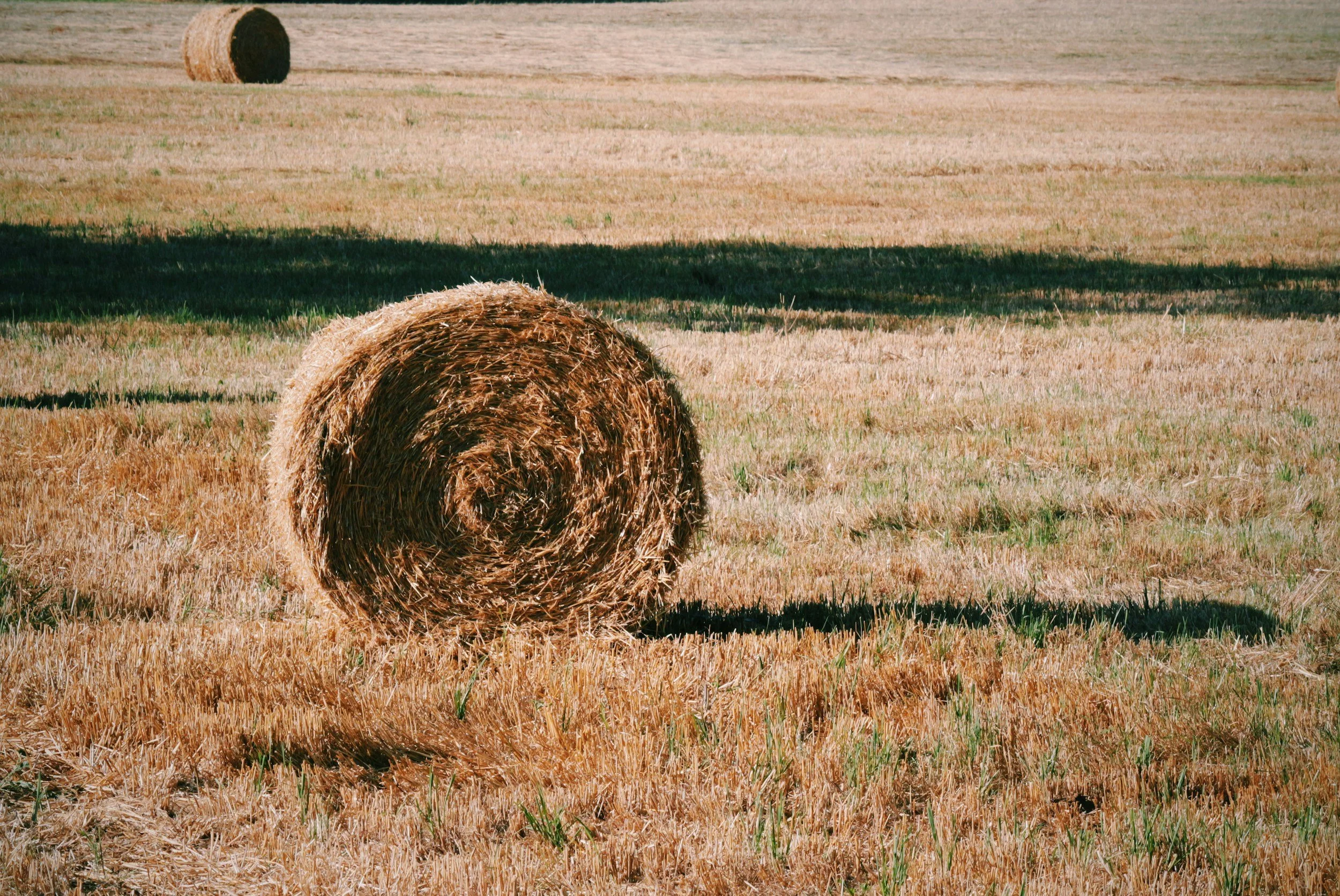
The 1,350-square-foot interior home rests on a partial timber frame combined with conventional stick framing and straw bale-filled walls. The eighteen-inch-thick walls create deep window wells, quiet interiors, and high insulation values, making the home feel larger than its footprint suggests.
Bobby, founder of McHugh Designs, spent four years refining the details.
“It took time to imagine all the special elements,” he says. “From the lime-sand stucco siding to the spiral staircase to the way the master suite opens toward the Broad River valley.”
Arts and Crafts-inspired woodwork, painted metal roofing, half-round gutters, and a welded steel spiral staircase anchor the aesthetic. Upstairs, the master suite faces west toward sunset views. An office balcony overlooks the open first floor before leading to the guest bedroom.
The main living area is designed as a live-in kitchen, flowing naturally into dining and living spaces. A screened sleeping porch captures the evening light and provides space for rest in warmer months.
Building with Community
The house was not built in isolation.
“We had work parties for site clearing, straw stacking, and stucco,” Bobby says. “A keg of beer and sandwiches were all our friends needed.”
The granite mosaic floor became the most celebrated effort. Composed of roughly 5,000 pieces of discarded granite sourced from local countertop fabricators, the six-ton mosaic transforms salvaged material into a striking focal point.
“People hear straw bale and imagine something fragile,” Lisa says. “Then they walk in and are surprised. It feels solid, beautiful, intentional.”
Green Building in Practice
Beyond aesthetics, the home integrates sustainable systems at multiple levels.
The straw bale walls provide exceptional insulation. Cellulose insulation supplements the roof and select framed walls. Radiant floor heating and a high-efficiency water heater reduce energy demand, while passive solar orientation maximizes natural light and seasonal warmth.
Material choices emphasize low toxicity and local sourcing. Natural lime stucco is used inside and out. Low-toxicity finishes protect interior and exterior wood features. Lumber harvested during site clearing was milled and reused for structural and trim elements. Recycled redwood, locally milled black locust, reclaimed windows and doors, and permeable driveway materials further reduce environmental impact.
The result is not simply a straw bale house. It is a carefully considered ecosystem of materials, orientation, and reuse.
A Dream Realized
For Bobby and Lisa, the technical details matter. But so does the emotional one.
“We’re still sitting around a moonlit bonfire,” Lisa says. “Only now it’s outside our own home.”
What began as a shared idea has become a lived reality, proof that thoughtful design and community collaboration can turn an unconventional material into a lasting, comfortable, and deeply personal space.
Top Green Points:
Efficiency: super-insulating straw walls; cellulose insulation used for roof and some walls; radiant floor heating, super-efficient water heater; passive solar design
Low Toxicity: Low toxicity AFM natural oil, AFM acrylic, and polyurethane used on interior and exterior wood features
Environmental: Kept the forestry to a minimum and used every useable piece of lumber; permeable surface driveway; rainwater drainage; recycled redwood from an older deck and locally-milled black locust for exterior trim; recycled granite from local countertop fabricators used in mosaic on ground level; milled all lumber cut from the home site for use as structure and trim; lots of recycled materials including windows, interior doors, trim, etc.; natural lime stucco used inside and out.
New Life Journal, ©2005
