This was a business profile published at Bizlightenment.com, a conscious business directory.
Sustainable Harvest Coffee Importers operates with a different kind of business model. As one of North America’s largest importers of fair trade and organic specialty coffee, the company does more than source beans. It invests in the long-term health of the coffee industry itself.
Rather than simply moving product through a traditional supply chain, Sustainable Harvest focuses on building direct relationships between coffee farmers and specialty roasters. The goal is transparency, stability, and shared growth across the entire system.
Founded in 1997 and headquartered in Portland, Oregon, Sustainable Harvest maintains supply-side divisions with training and support staff in Mexico, Peru, and Tanzania. Its network includes more than 200,000 coffee farmers across Central and South America, Mexico, and East Africa, along with specialty roasters in Europe and North America.
Founder and President David Griswold introduced what he calls the Relationship Coffee model, an approach that has reshaped how many in the industry think about sourcing.
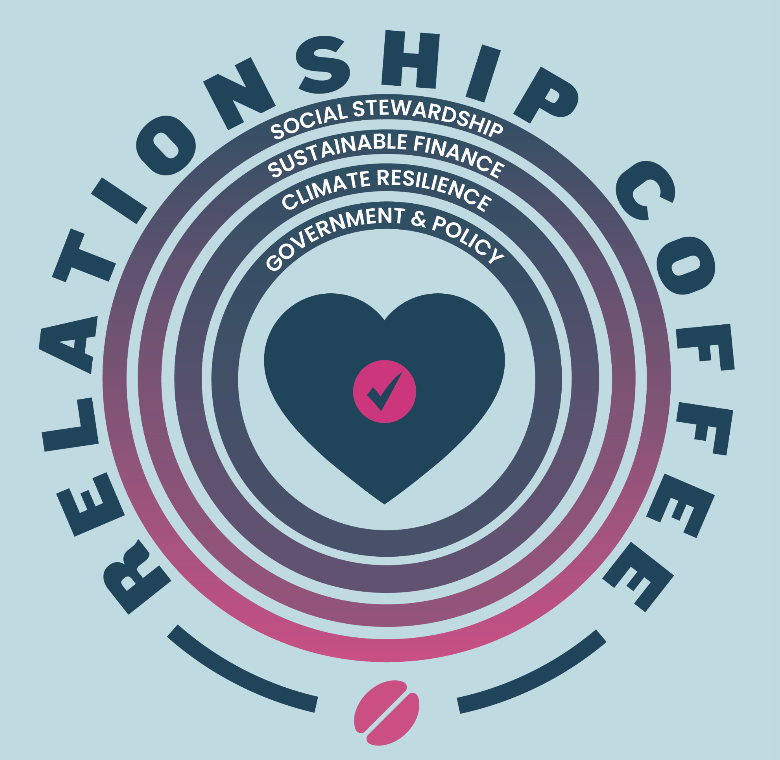
The Relationship Coffee Model
Historically, coffee sourcing operated through layers of intermediaries. Farmers rarely had direct communication with the roasters who purchased their beans. Pricing was opaque, feedback was limited, and long-term stability was uncertain.
The Relationship Coffee model was designed to change that.
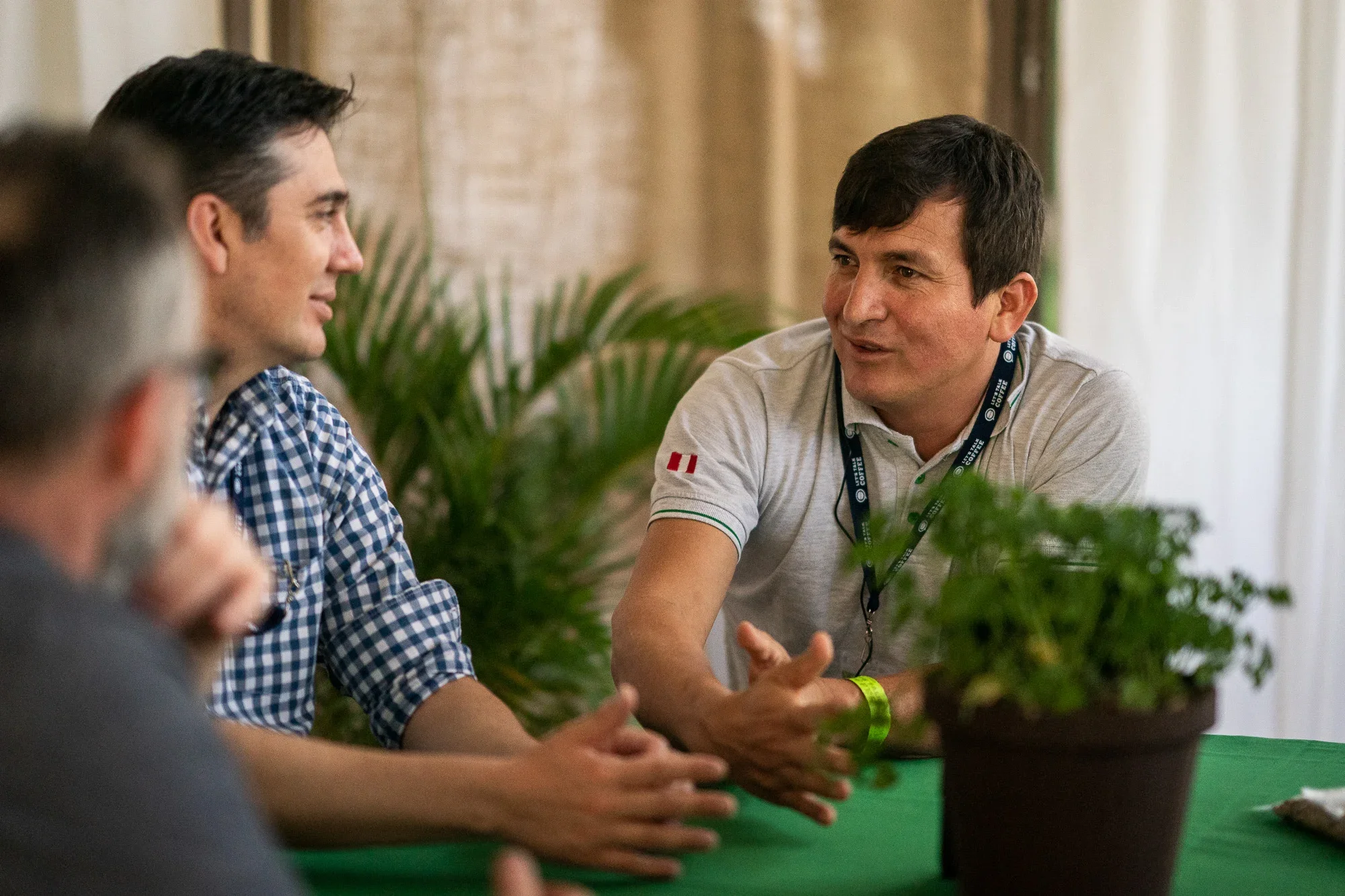
By facilitating direct communication between producers and roasters, Sustainable Harvest creates opportunities for transparency, traceability, and shared expectations. Roasters gain a clearer understanding of how and where their coffee is grown. Farmers gain insight into quality standards and market demands.
The model also supports trade credit, pre-harvest financing, training, and market access. Rather than transactional exchanges, the focus shifts to long-term partnerships.
Communication is strengthened through forums and structured industry gatherings that bring supply chain partners together to address shared challenges and improve standards across the sector.
Investing in People and Land
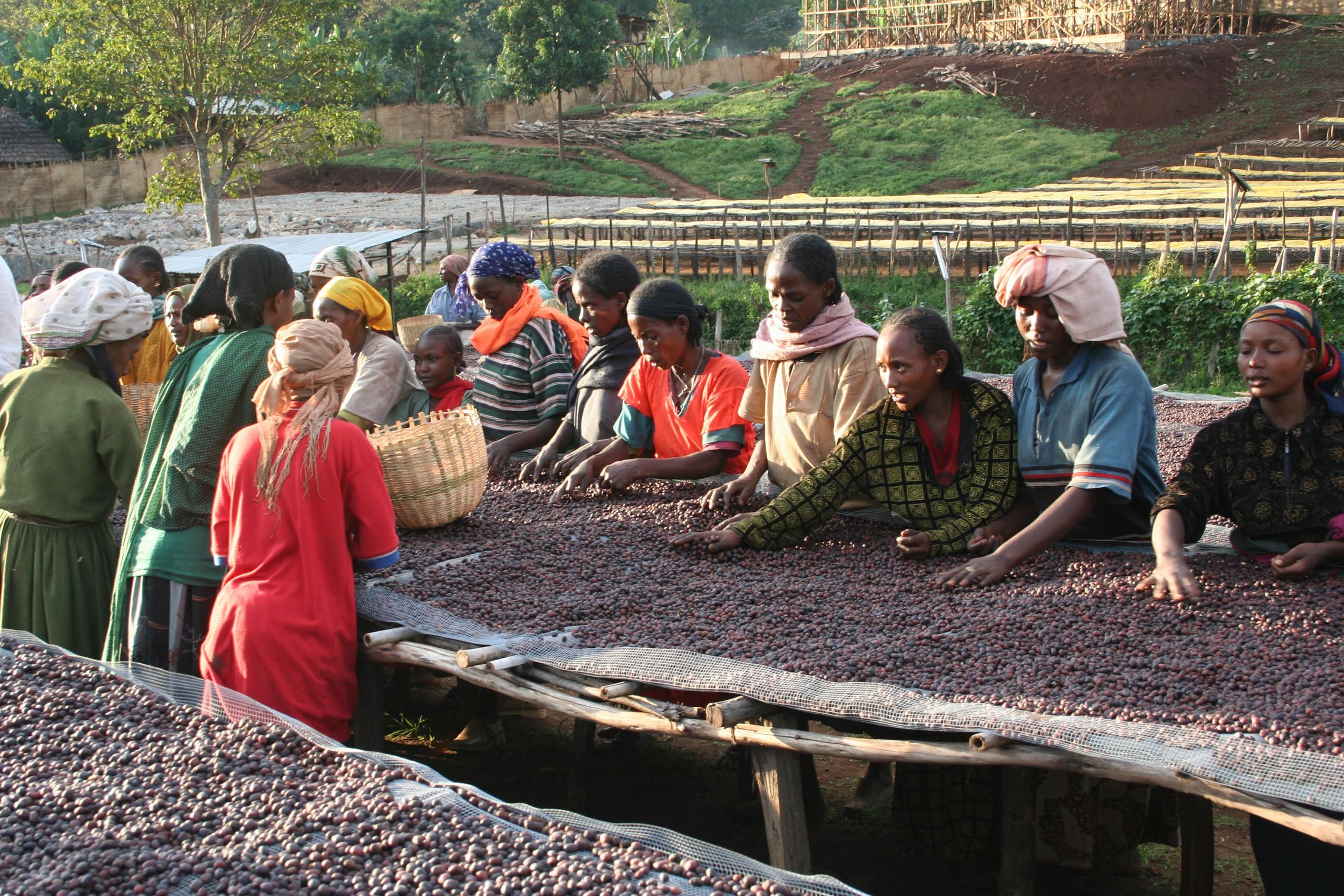
Sustainable Harvest reinvests nearly one-third of its gross profit margin into farmer development programs. These initiatives have reached 13 countries and more than 100,000 farmers.
Projects have included dry mill training in Mexico, grower relief efforts following Hurricane Stan, tree planting initiatives in Tanzania, and programs aimed at improving quality control and market access in remote coffee-growing regions.
The company also founded Let’s Talk Coffee, an annual multi-day gathering designed to connect producers and roasters. The forum offers training, quality calibration, and open dialogue about supply chain dynamics. By bringing stakeholders face to face, the event reinforces the company’s emphasis on transparency and shared responsibility.
Recognition and Impact
Sustainable Harvest has received multiple industry awards, including the Sustainability Award and Outstanding Contribution Award from the Specialty Coffee Association of America. The company has also been recognized by Inc. Magazine as one of the fastest-growing private companies in the United States.
In addition, Sustainable Harvest is a certified B Corporation, meeting verified standards for social and environmental performance.
A Broader Definition of Sustainability
For Sustainable Harvest, conscious business extends beyond certification labels.
It means offering high-quality organic and fair trade coffee while strengthening the systems that support farmers, roasters, and consumers alike. It means prioritizing long-term stability over short-term margins. And it means viewing transparency as an essential ingredient in sustainable trade.
In an industry shaped by global supply chains and fluctuating markets, Sustainable Harvest has positioned relationships as the foundation of lasting impact.
Information Links:
Visit Sustainable Harvest online:
http://www.sustainableharvest.com
Watch a video of the ‘Let’s Talk Coffee’ farmer training event:
http://www.sustainableharvest.com/our_model/let_s_talk_coffee/
Watch a video of the ‘Relationship Coffee Model’:
Social Media Posts:
Hook:
What if sustainability was built on relationships instead of transactions?
Caption:
While profiling Sustainable Harvest Coffee Importers, what stood out was their Relationship Coffee model. Instead of operating through distant supply chains, the company connects farmers and roasters directly, creating transparency, shared expectations, and long-term stability.
This approach recognizes that sustainability lives in communication as much as certification. When producers and buyers understand one another, environmental care, economic resilience, and quality all improve.
CTA:
Look for brands that prioritize relationships, not just labels. Transparency often reveals the deeper story behind sustainability.
Hook:
Behind every cup of coffee is a landscape, a livelihood, and a future.
Caption:
Sustainable Harvest reinvests a significant portion of its profits into farmer development, from tree planting initiatives to training programs that strengthen both land stewardship and economic stability.
Their work highlights an important truth. Supporting agriculture responsibly means investing in people and ecosystems together.
CTA:
Consider how the products you consume impact both land and community. Small shifts in awareness can support more regenerative systems.
LONG FORM POST
Caption:
Writing about Sustainable Harvest Coffee Importers offered a window into how global supply chains can be reimagined through transparency and connection. The company operates as one of North America’s largest importers of organic and fair trade specialty coffee, yet its defining feature is not scale. It is relationship.
Founder David Griswold’s Relationship Coffee model challenges traditional sourcing structures that often isolate farmers from the markets they serve. By creating direct communication between producers and roasters, the model introduces clarity around pricing, quality expectations, and long-term planning. This shift transforms sourcing from a transactional exchange into a collaborative partnership.
The impact extends beyond economics. Sustainable Harvest reinvests a significant portion of its profits into farmer development programs across multiple countries. Initiatives such as dry mill training, grower relief efforts, and tree planting projects illustrate how agricultural sustainability depends on both ecological care and community resilience.
Events like the Let’s Talk Coffee gathering further reinforce this philosophy by bringing stakeholders together to share knowledge, address challenges, and build trust. These forums highlight the role of dialogue in strengthening environmental and economic systems alike.
What resonated most while researching this piece was the emphasis on systems thinking. Sustainability is rarely achieved through isolated action. It emerges through networks of relationships that support land health, farmer stability, and consumer awareness simultaneously.
CTA:
Take time to explore how one product you rely on moves through the world. Understanding supply chains can deepen appreciation and encourage choices that support transparency and stewardship.
LONG FORM POST
Caption:
Global supply chains often feel distant and abstract. Writing about Sustainable Harvest brought those systems into sharper focus by centering the people and landscapes behind coffee production.
The company’s network includes hundreds of thousands of farmers across Latin America and East Africa, supported through training, financing, and market access programs designed to strengthen both agricultural quality and environmental resilience. These efforts highlight how sustainability is not a static goal but an ongoing process rooted in partnership.
The Relationship Coffee model reframes trade as shared responsibility. Farmers gain insight into market demands while roasters develop deeper understanding of agricultural realities. This mutual exchange fosters trust, stability, and more sustainable farming practices over time.
Projects such as tree planting initiatives and farmer education programs demonstrate how economic sustainability and environmental care are intertwined. Healthy ecosystems support crop resilience. Stable livelihoods enable long-term stewardship of land. Transparent trade structures reinforce both.
Recognition as a certified B Corporation and industry awards reflect this broader commitment, yet the most meaningful impact lies in the quieter outcomes. Stronger farmer communities. Greater transparency across the supply chain. A shift in how consumers understand the origins of their coffee.
Stories like this reveal that sustainability is rarely defined by a single practice or certification. It is built through relationships that honor land, labor, and shared futures.
CTA:
The next time you encounter a product rooted in global agriculture, pause to consider the communities and ecosystems behind it. Awareness is a powerful first step toward more thoughtful engagement with the world around us.
